Universal Seat Back Protector: Cleaner Toyota, Honda, Ford
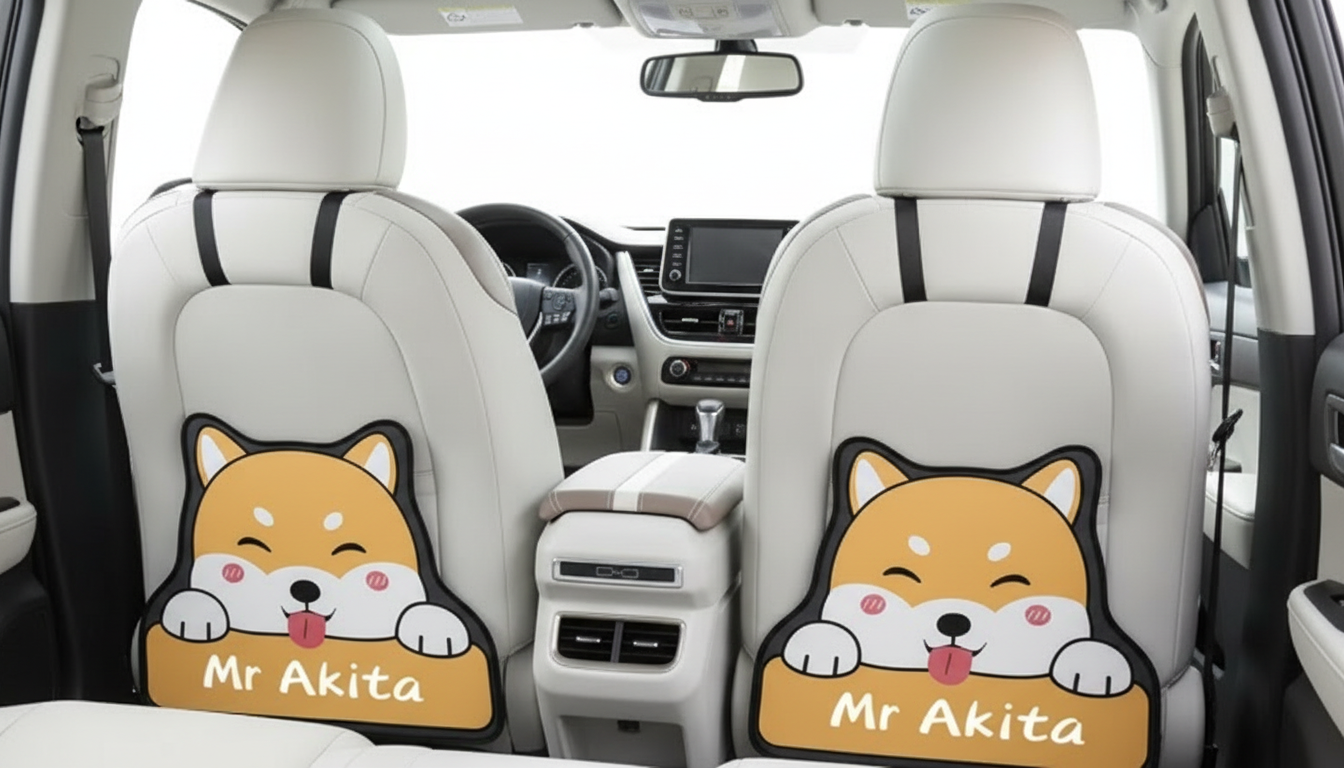
Universal Car Seat Back Protector for Toyota, Honda, Ford: Cleaner Seats for Daily Drives
A seat back protector helps keep front seat upholstery looking new by guarding against scuffs, shoe marks, spills, and everyday abrasion—especially with kids, rideshare passengers, or frequent commuting. Designed for quick installation and broad compatibility, a universal protector can fit many Toyota, Honda, and Ford interiors while adding an easy-to-wipe barrier between the seat and whatever the back row brings.
What a Seat Back Protector Solves (and When It Helps Most)
The back of a front seat takes more abuse than most drivers notice—until light upholstery turns gray at knee level or leatherette picks up permanent-looking shoe streaks. A seat back protector is a simple, low-cost way to manage the mess that comes with real life.
- Reduces visible scuffing from shoes, especially on lighter upholstery and leatherette surfaces.
- Helps prevent dirt, salt, and grit from embedding into seat material during winter or rainy seasons.
- Makes cleanup easier after snacks, spills, muddy sports gear, or pet rides.
- Adds a sacrificial layer that can be replaced inexpensively instead of repairing upholstery.
- Useful for family vehicles, school runs, carpools, rideshare drivers, and road trips.
It’s particularly helpful when rear passengers routinely brace their feet during entry/exit, when kids ride in the second row (kicking is almost guaranteed), or when you’re hauling gear that brushes the seat backs.
Fit and Compatibility for Toyota, Honda, and Ford Interiors
“Universal fit” usually means the protector is sized and shaped to work on many seat backs, but your results still depend on the details—especially headrest design and seat-back contours. Many Toyota, Honda, and Ford models share similar seat proportions, yet variations like integrated headrests, aggressive bolstering, or rear-seat entertainment can affect how neatly a protector sits.
- Universal sizing is intended to work across many seat shapes, but headrest style and seat-back contours affect the fit.
- Best results typically come with adjustable straps that can be tightened to reduce sagging and shifting.
- Works well for sedans, SUVs, and crossovers where rear passengers routinely contact the seat back.
- Check for clearance around seat-back pockets, rear entertainment screens, or seat-mounted airbags before installing.
- If using a child seat, confirm the protector does not interfere with car seat installation, tether anchors, or belt routing.
Quick Fit Check Before Buying
| Check point | What to look for | Why it matters |
|---|---|---|
| Headrest posts or integrated headrest | Strap placement and adjustability | Determines whether the top anchor can be secured tightly |
| Seat-back shape | Flat vs. heavily contoured | Contours can create gaps or wrinkles if the protector is too stiff |
| Seat-back features | Pockets, screens, vents | Avoid covering functions that need to remain accessible |
| Airbag locations | Seat side seams and labels | Accessories should not obstruct airbag deployment areas |
| Child seat usage | No interference with belts/tethers | Safety and secure car seat installation remain the priority |
Material, Grip, and Protection Features to Look For
Not all protectors behave the same once the car is in motion. Some slide down over time; others hold tension and stay centered for months. Choosing the right surface and anchoring system makes the difference between “set it and forget it” and constant readjustments.
- Water-resistant, wipe-clean surfaces are ideal for spills and muddy footprints.
- Edge stitching and reinforced strap points help with durability under frequent kicking and rubbing.
- A non-slip backing or tensioned strap system reduces shifting during entry/exit.
- If the protector includes pockets, choose ones that sit flat and don’t bulge into rear passenger space.
- Odor-free or low-odor materials are preferable for warm climates where interiors heat up.
If your back seat is tight (common in compact sedans), a slimmer protector without bulky storage can feel less intrusive for passengers. For SUVs used in school-run mode, easy-wipe materials tend to pay off quickly.
Installation Tips for a Neat, Secure Fit
A clean install looks better and protects better. The goal is consistent contact with the seat back—no loose corners to catch shoes, and no drooping that exposes the upholstery at the high-contact areas.
Care and Cleaning: Keeping It Looking New
If a household uses car seats or boosters, it’s also smart to review up-to-date passenger safety guidance from authoritative sources like NHTSA’s Child Passenger Safety resources and the CDC’s car seat safety information.
Good Add-Ons for a Cleaner, More Organized Cabin
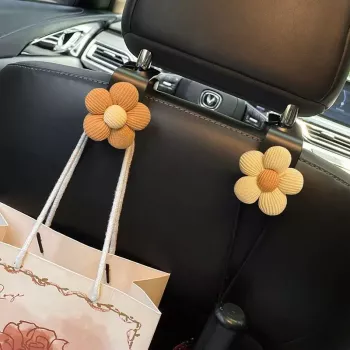
For a simple, low-cost combo, consider matching a protector with Universal Car Headrest Hooks for Toyota, Ford, Honda to keep everyday items from tipping, rolling, or rubbing against seat backs.
Universal Car Seat Back Protector for Toyota, Honda, Ford
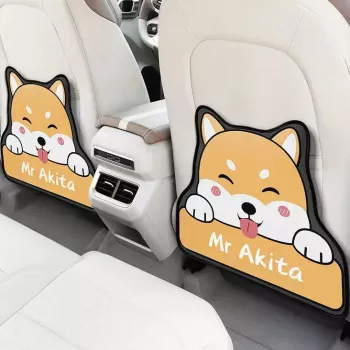
If the goal is to reduce visible wear while making cleanup faster, Universal Car Seat Back Protector for Toyota, Honda, Ford is a practical option. It’s designed with a universal approach to fit that suits a wide range of Toyota, Honda, and Ford models—especially for daily commuting, carpools, and kid-heavy back seats.
FAQ
Will a universal seat back protector fit most Toyota, Honda, and Ford seats?
Universal designs fit many Toyota, Honda, and Ford seats, but the final fit depends on headrest type, seat contours, and how adjustable the straps are. Check for integrated headrests, pronounced bolsters, and any seat-back features that might affect strap routing.
Can a seat back protector be used with a child car seat?
It can be, but correct car seat installation comes first. Make sure the protector doesn’t interfere with belt routing, LATCH/tether anchors, or a secure fit, and follow the vehicle and car seat manufacturer guidance.
How do you clean shoe marks and spills off a seat back protector?
Wipe it with a damp microfiber cloth for regular dirt and shoe marks, then use mild soap and water for tougher grime. Avoid harsh chemicals, and let the protector dry fully before reinstalling to prevent trapped moisture.








Leave a comment